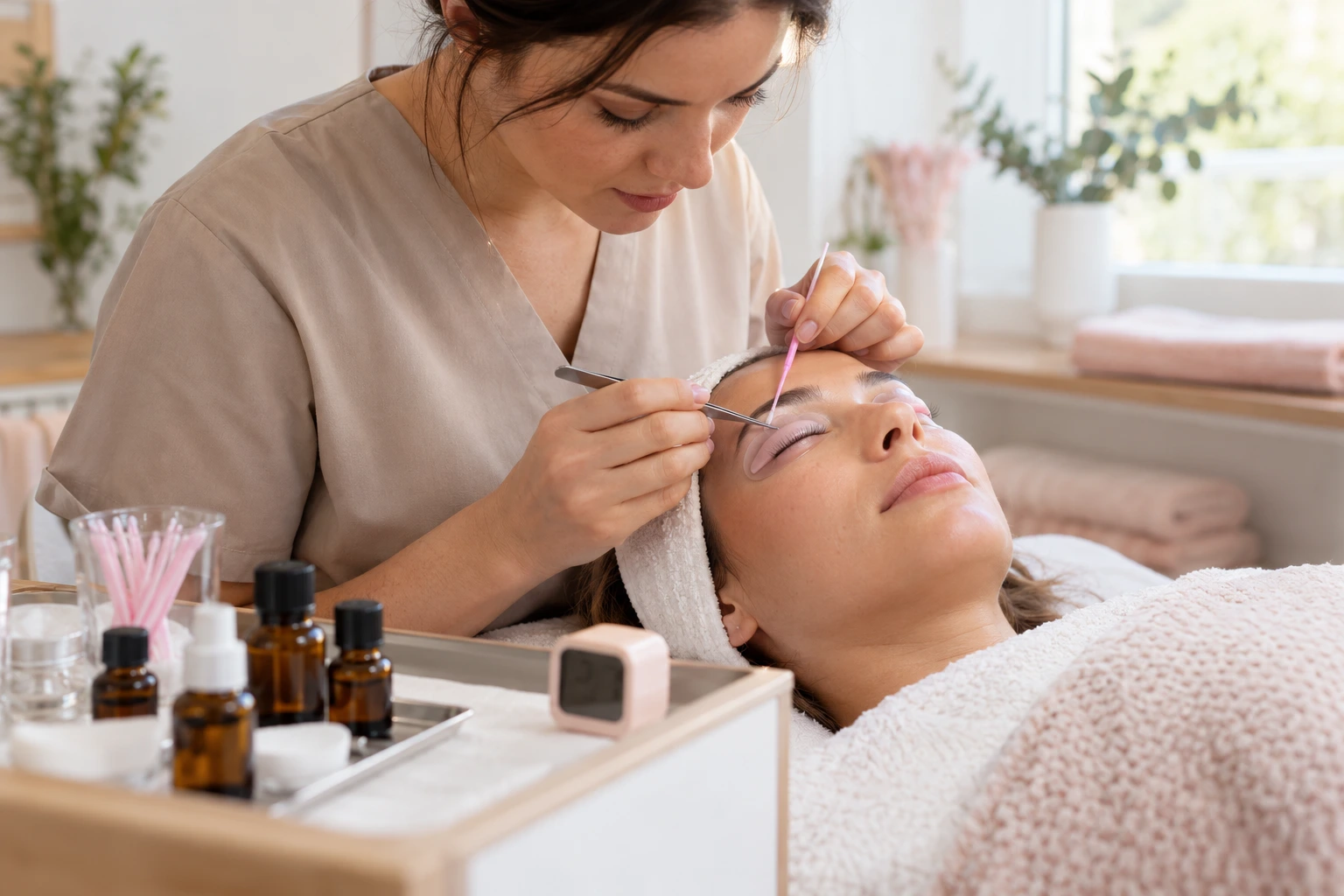
Every lash lift rests on the same chemistry: a lotion softens the keratin bonds in the lash, the lash is shaped around a silicone rod, and a second lotion sets the new curl. What differs from one system to the next is the active ingredient doing the softening. For years that was almost always a thioglycolate. Today, cysteamine is the ingredient many artists ask about first, particularly those with sensitive clients or a focus on lash health. This guide explains how the two compare in practice, who each suits, and how to choose without guessing.
How a lash lift actually works
Lash hair is mostly keratin, held in shape by disulfide bonds. Step 1 of any lift is a reducing lotion that temporarily breaks a share of those bonds so the hair becomes pliable. While the lash sits on the rod, it takes on the rod’s curve. Step 2 is the neutralising or fixing lotion that rebuilds the bonds in the new position. Step 3, where a system includes it, is a conditioning treatment.
The reducing agent in Step 1 is where thioglycolate and cysteamine differ. Both do the same job; they do it with different strength, speed and tolerance for error.
Classic thioglycolate solutions
Thioglycolic acid and its salts (ammonium thioglycolate being the best known) have been the standard reducing agents in perms and lash lifts for a long time. They are fast and predictable in trained hands, and many artists have timings memorised for them. The trade-offs are well known: they are a potent chemistry, they work best at a relatively high pH, they can have a pronounced odour, and over-processing is easier than most people expect. A few minutes too long can leave a lash dry, frizzy or over-curled, and sensitive skin may react to the product.
Cysteamine solutions
Cysteamine, often written as cysteamine HCl in ingredient lists, is a thiol-based reducing agent that manufacturers position as a milder, thioglycol-free alternative. In practice, formulators pair it with conditioning ingredients to keep the lash flexible during processing. Many artists report a more forgiving feel and a gentler experience for clients, but it is important to be honest about what that means: cysteamine is still a chemical reducing agent, still needs a patch test, and still requires correct timing. Gentler does not mean harmless.
Cysteamine vs. thioglycolate: the practical comparison
The table below summarises the differences that matter at the chair. Treat it as general guidance; the manufacturer’s instructions for the exact product in your hands always take priority.
| Criterion | Thioglycolate-based | Cysteamine-based |
|---|---|---|
| Positioning | Traditional, potent reducing agent | Milder, thioglycol-free alternative |
| Gentleness on the lash | More demanding; higher risk of dryness if over-processed | Generally regarded as kinder to the hair structure |
| Skin and eye sensitivity | Can irritate sensitive clients | Often preferred for sensitive clients, still needs a patch test |
| Timing window | Often short; precision is essential | Varies by product; check the label |
| Odour | Frequently noticeable | Varies by formula |
| Best suited to | Experienced artists who know their timings | Newer artists, sensitive clients, lash-health focused menus |
Processing times: why you cannot transfer them between products
The most common mistake when changing systems is carrying timings across. A thioglycolate that needs a handful of minutes cannot be swapped for a cysteamine lotion on the same clock. Even within one brand, the numbers differ by product. Looking at the Noemi range sold by Brow Lash World:
- The Noemi Innovate cysteamine lotions are listed with a processing time of 8 to 12 minutes on lashes and brows.
- The Noemi three-step cysteamine kit lists 10 to 14 minutes for Step 1 and 5 to 8 minutes for the Step 2 fixing solution.
- Freelift Step 1 is listed at 6 to 11 minutes.
Three products, three different windows. This is why the rule is simple: read the insert, set a timer, and never extend a time because a lash looks stubborn. Thick, coarse lashes, tinted lashes and previously treated lashes all behave differently, so start at the lower end of the range and check the curl before adding time.
Who should choose which
Choose cysteamine if
- your clientele includes sensitive eyes or skin, or people who have reacted to lifts before;
- you want a menu built around lash health and a soft, natural curl;
- you are newer to lifting and want a less unforgiving product while your timing becomes automatic;
- you also lift brows, since several cysteamine systems are designed for both.
A classic thioglycolate may still suit you if
- you have years of experience with a specific thioglycolate system and consistent results;
- your clients have strong, resistant lashes that you already process reliably;
- you are bound to a protocol you have refined over hundreds of treatments.
The Noemi lifting range at Brow Lash World includes several cysteamine-based systems, which is why this guide concentrates on them rather than recommending a specific thioglycolate product. If you currently work with one, the decision to switch should come from your clients’ results, not from fashion.
How the Noemi cysteamine products fit in
The Noemi Professional range offers several routes into cysteamine lifting, depending on how you like to work.
Innovate: the nourishing two-step
The Noemi Innovate Step 1 with cysteamine is a 10 ml vegan lotion built on cysteamine HCl, described as a mild, thioglycol-free option. It is enriched with argan oil, shea butter, hydrolyzed collagen, keratin and wheat protein, and is suited to both lashes and brows with a processing time of 8 to 12 minutes. At CHF 26.90 per 10 ml bottle it is a sensible way to test the system. If you prefer to buy both steps together, the Innovate set pairs Step 1 and Step 2 and currently includes a free Argan Creme for aftercare at CHF 45.90.
The three-step kit
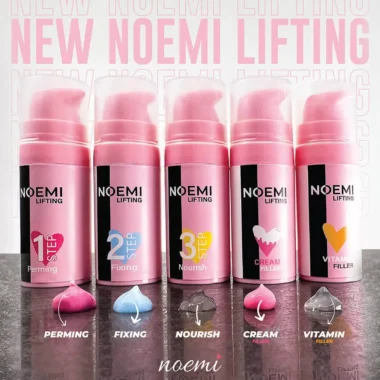
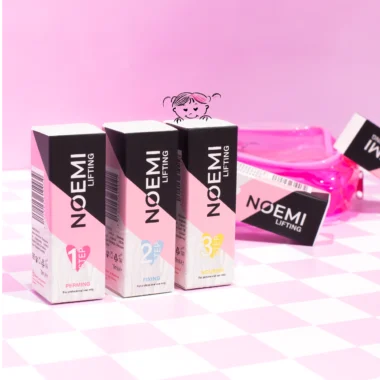
For a complete protocol in one box, the Noemi lash lift kit with cysteamine (CHF 74.90) contains Step 1 lifting, a Step 2 fixing solution and a Step 3 nourishing solution with keratin, 10 ml of each. Step 3 is applied after Step 2 and tinting and stays on the lashes for 24 hours without rinsing, which builds aftercare into the treatment itself.
Glue-free lifting with Gooey
Used with a cysteamine Step 1, Noemi Gooey lash lift powder (5 g, CHF 17.90) replaces lash lift glue, which makes application quicker and cleaner. It is described as compatible with lash lifting lotions in general and formulated specifically around the Noemi cysteamine Step 1.
Freelift for a streamlined routine
If you want to minimise the number of products on your tray, the Noemi Freelift set (CHF 50.90) is a glue-free system that needs no powder or balm. One detail to read carefully: the Freelift lotions are described as based on cysteamine and TGA, so they are not a pure thioglycol-free formula. Choose it for its workflow benefits, and choose the Innovate range if a thioglycol-free formula is your priority.
A safe, repeatable workflow
- Consultation and patch test. Test the products on the client 24 to 48 hours before the first appointment, as standard practice. Ask about allergies, recent eye surgery, and contact lens use.
- Check the eyes. Do not lift on irritated, inflamed or infected eyes, or over a recent injury. Reschedule instead.
- Prepare the lashes. Cleanse thoroughly. Oil and makeup residue block the lotion and cause patchy results.
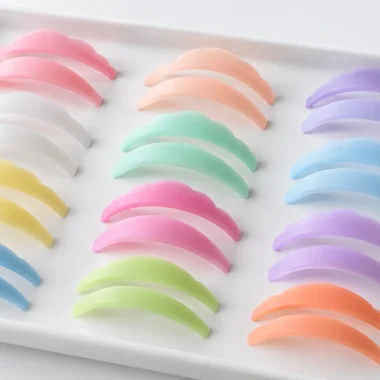
- Select the rod. Match rod size to lash length and eye shape, and protect the lower lashes with a pad or patch.
- Apply Step 1 sparingly. Keep the lotion off the skin and away from the waterline, and set a visible timer.
- Remove and neutralise. Remove Step 1 exactly as the instructions say, then apply the fixing lotion for its stated time.
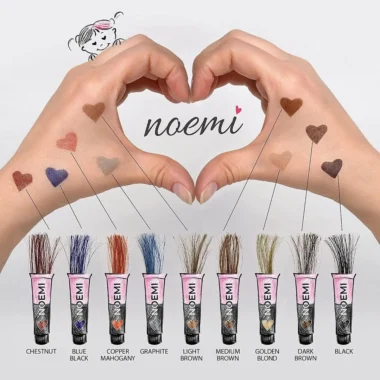
- Tint if desired. Follow the order of your system: some protocols tint between Step 2 and Step 3.
- Finish with care. Condition the lashes, then give the aftercare instructions verbally and in writing.
Stop immediately and rinse thoroughly if a client reports burning or stinging. A comfortable client is a safe client, and no lift is worth a reaction.
Aftercare that protects the result
Most of what makes a lift look good at week three is decided in the first day. Ask clients to follow these points:
- Keep lashes dry for the first 24 hours, following your system’s guidance.
- Avoid steam, saunas and heavy rubbing in the first days.
- Do not use waterproof mascara or heat-based curlers.
- Use a lightweight conditioning treatment regularly, such as the Noemi Brow & Lash Argan Creme (CHF 15.90), formulated for care after tinting and lamination and suitable for daily use.
- Brush lashes gently with a clean spoolie each morning.
As a professional, keep a note of the product, timing and rod size on each client’s file. After two or three visits you will know exactly how that client’s lashes respond.
Common mistakes to avoid
- Adding minutes to chase a stronger curl. If the curl is weak, check rod size and lash adhesion before touching the timer.
- Mixing steps from different systems. Lotions are designed to work as pairs; stick with the matching Step 2.
- Skipping the patch test with a gentler product. Milder does not remove the need.
- Treating every client the same. Fine, fragile or previously lifted lashes need the shorter end of the window.
- Lifting too often. Leave a sensible gap between treatments, usually several weeks, so the lashes can recover.
Final thoughts
Cysteamine does not replace skill, but it gives you a margin of comfort that many artists value, especially with sensitive clients and lash-health-focused services. Start with one system, learn its timing window by heart, and keep records. If you are unsure which route suits your studio, browse the lash collection and compare the options side by side.
FAQ
Is cysteamine really gentler than thioglycolate?
Cysteamine is positioned as a milder, thioglycol-free alternative and is often preferred for sensitive clients. It is still a chemical reducing agent, so a patch test and correct timing remain essential.
How long should I process a cysteamine lash lift?
It depends on the product. Noemi Innovate lists 8 to 12 minutes, while the Noemi cysteamine kit lists 10 to 14 minutes for Step 1. Always follow the manufacturer’s instructions and start at the lower end for fragile lashes.
Can I do a lash lift without glue?
Yes. The Noemi cysteamine Step 1 can be paired with Gooey powder instead of lash lift glue, and the Freelift system is designed to work without glue, powder or balm.
Do I still need a patch test with cysteamine?
Yes. Standard practice is to patch test 24 to 48 hours before the first treatment, whatever the active ingredient.
How should clients care for their lashes afterwards?
Keep the lashes dry for the first 24 hours, avoid steam and rubbing, skip waterproof mascara and curlers, and use a nourishing product such as an argan-based cream. Follow your system’s own aftercare instructions as well.