A lash shampoo is a gentle cleanser for the eye area that clients use to wash their lash extensions. Washing extensions regularly, as a rule every day or every other day, removes the oil, make-up and small debris that collect at the base of the lashes. Clean lashes look fluffier, and many artists find that clients who wash properly come back with fuller sets at their infill.
This guide explains how to clean lash extensions step by step, what clients should avoid, and how you, as the artist, can teach aftercare and retail a lash shampoo at the end of the appointment. It also covers cleaning before infills and a few station essentials for your own extension work.
Why lash extensions need regular cleansing
The eyelid produces natural oils all day. Add mascara residue, eyeliner, face cream, sunscreen, dust and dead skin, and a lot ends up trapped between the extensions and around the bonds. Many clients avoid touching their extensions because they are afraid of losing them, so this build-up is common.
As a rule, artists want to avoid oil and residue building up around the base. It can make the lashes look clumpy and dull, and it can make the eye area feel uncomfortable. In general, the lid and lash line stay healthier when they are kept clean.
There is also a practical reason for you: clean natural lashes and clean extensions make the infill faster and neater. You spend less time on prep and more time on the actual work.
Myth: water ruins lash extensions
Many clients still believe extensions must never get wet. In reality, most artists ask clients to keep lashes dry only for a short period after the appointment, according to the instructions of the adhesive used. After that, gentle washing is part of normal care. Explaining this clearly is one of the most useful things you can do for your clients.
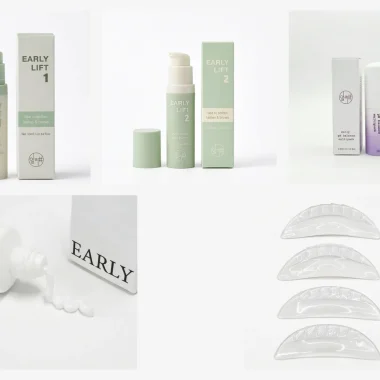
Beauty Art Pro Lash Shampoo for lash extension aftercare
The Beauty Art Pro Lash Shampoo is a lash shampoo for lash extension aftercare. It gives your clients a dedicated product for the cleansing routine you recommend, instead of whatever face wash they happen to have at home. For usage details, follow the instructions included with the product.
Using one shampoo in the salon and offering the same one for home use keeps your advice simple: the client sees you use it, learns the routine with you, and leaves with the same product.
How to clean lash extensions step by step
This is the routine most artists teach. Show it to the client once in the chair, ideally with a mirror, so they remember the movements.
- Remove eye make-up first. If the client wears mascara or eyeliner, remove it gently with a remover that is suitable for extensions.
- Wet the lashes. Use lukewarm water and wet the lash line lightly, with the eyes closed.
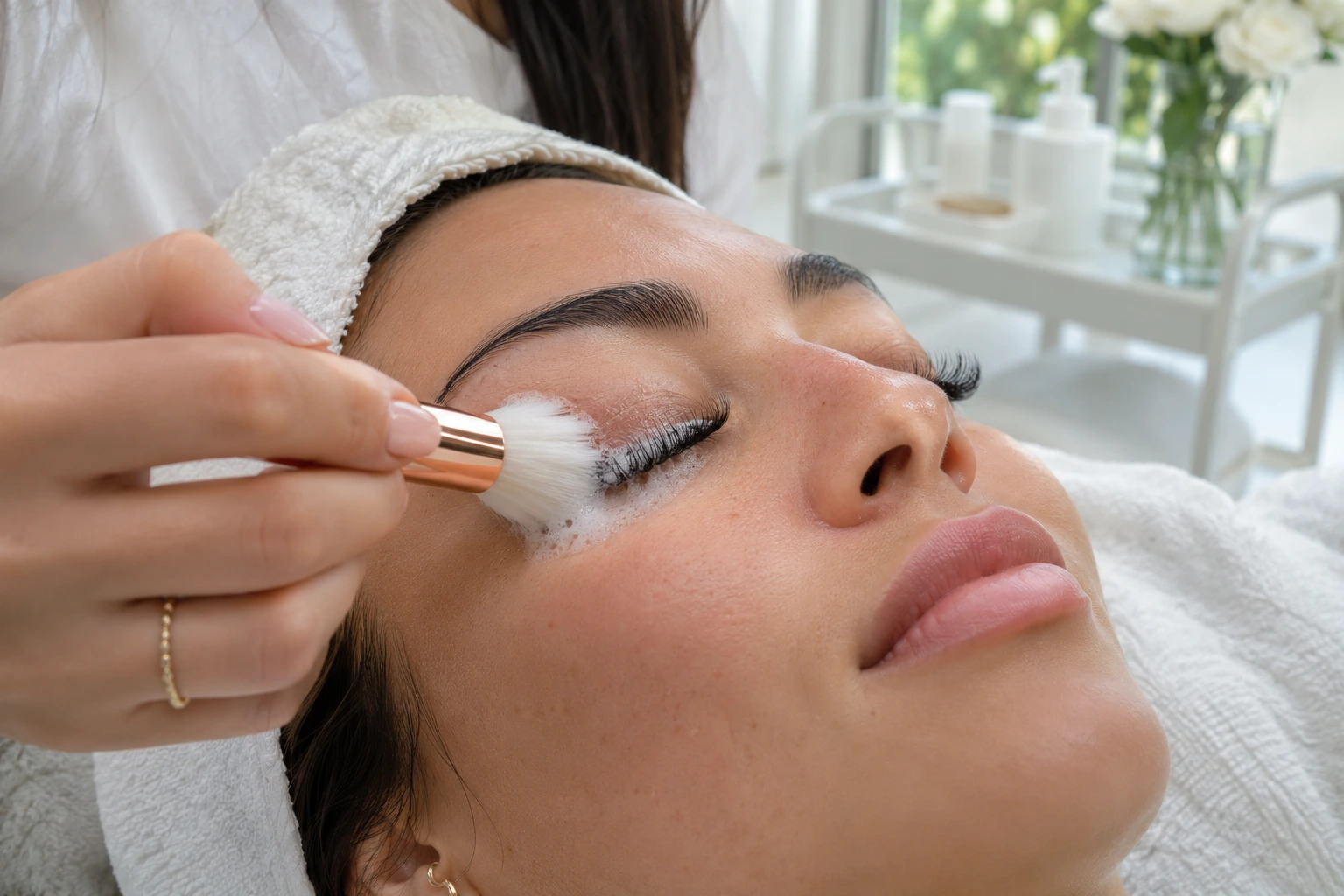
- Apply a small amount of lash shampoo. A little product is usually enough. Apply it with a soft cleansing brush or clean fingertips.
- Cleanse with gentle downward strokes. Brush in the direction of lash growth, from the base towards the tips. Pay attention to the lash line and the inner corner, where residue collects.
- Rinse thoroughly. Rinse with lukewarm water until no product is left in the lashes.
- Pat dry. Dab the area with a lint-free towel or tissue. Never rub.
- Brush through when dry. Once the lashes are dry, comb them gently into place with a clean spoolie.
How often should clients wash their extensions?
Most artists recommend daily or every-other-day cleansing, and always after wearing eye make-up. Clients with oily skin or who exercise a lot usually benefit from washing more often. Tailor the advice to the client instead of giving one fixed rule.
What clients should avoid
Good aftercare is as much about what not to do. These are the points artists repeat most often:
- Rubbing or pulling. Rubbing the eyes, sleeping face-down in the pillow or pulling at lashes puts stress on the bonds.
- Oil-based removers near the bond. As a rule, artists advise against oily removers and rich creams around the lash line, because oil and lash adhesive generally do not mix well.
- Waterproof mascara. It is hard to remove without rubbing. If a client really wants mascara, many artists suggest a light, washable formula on the tips only.
- Mechanical lash curlers. They can crimp or damage extensions.
- Skipping the brush. Lashes that are never brushed tend to cross and look messy sooner.
- Picking at loose extensions. Removing them at home can take natural lashes with them. A loose extension is better left for the next infill.
Lash extension aftercare at a glance
| Aftercare step | Why | Tip |
|---|---|---|
| Keep lashes dry at first | Gives the adhesive time to settle | Follow the timing stated by your adhesive manufacturer |
| Wash with lash shampoo | Removes oil, make-up and debris from the base | Daily or every other day, always after make-up |
| Downward strokes with a soft brush | Cleans without stressing the bonds | Brush from base to tip, eyes closed |
| Rinse and pat dry | No product left in the lashes | Lint-free towel or tissue, never rub |
| Brush through when dry | Keeps the set neat and separated | Use a clean spoolie each time |
| Avoid oil near the lash line | Oil and adhesive generally do not mix well | Check removers and eye creams |
| Book infills on time | Keeps the set full and tidy | Ask clients to arrive with clean lashes |
How to explain aftercare and retail a lash shampoo
Aftercare advice works best when it is short, visual and repeated. At the end of the appointment, take two minutes to demonstrate the wash routine with the shampoo and a brush. Clients remember what they see much better than a list of rules.
A simple script for the end of the appointment
- Explain how long to keep the lashes dry, based on your adhesive instructions.
- Show the shampoo, how much to use and the downward brushing movement.
- Name the two or three things to avoid: rubbing, oily products near the lash line, mechanical curlers.
- Recommend when to book the next infill.
Offering the lash shampoo for home use is then a natural next step, not a sales pitch. You are giving the client the tool for the routine you have just shown them. A printed aftercare card or a short message after the appointment helps the advice stick.
Retailing without pressure
Keep the shampoo visible at your station or reception, use it during the appointment and mention it at every first set. Avoid promising results such as a certain number of extra days of retention. Simply explain that clean lashes are part of good extension care, which is honest and easy to understand.
Cleaning lashes before an infill
Even with good home care, most artists clean the lashes at the start of every infill. Make-up residue, oil and dust can stop new extensions from bonding well to the natural lash.
A common salon routine looks like this: remove any make-up, cleanse the lashes with lash shampoo and a soft brush, rinse, dry gently, then brush through and continue with your usual prep. Follow your adhesive and primer instructions for the rest of the preparation.
Use the infill to check how well the client is following the aftercare. If you see build-up at the base, take a moment to repeat the wash routine together and adjust your advice.
Lash extensions vs lash lift aftercare
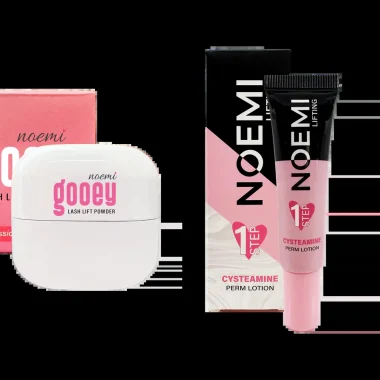
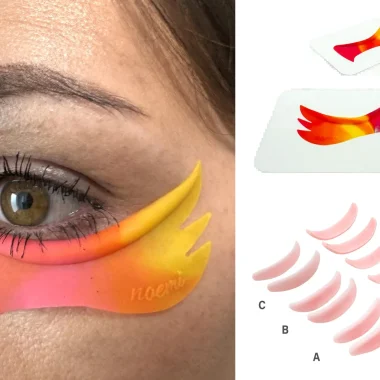
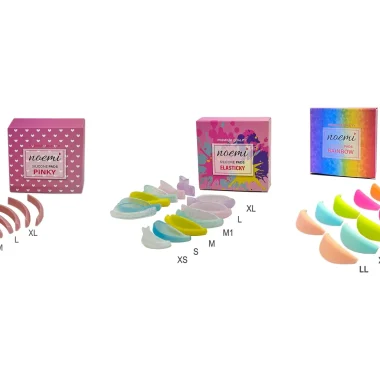
Some clients switch between extensions and a lash lift. The aftercare is different: a lift is a chemical service with its own rules, including a patch test before the first treatment and following the product instructions. If you offer both, our lash lift kit checklist and our guide to lash lift lotions cover the lift side in detail.
Setting up your lash extension station
Good aftercare starts with good work at the station. A few tools make extension sets faster and tidier:
- Premade fans. The Feather Magic Fans LC Curl combine multiple lengths in one fan, made from super-soft Korean PBT fibres. They are designed for Arabian, wispy and textured sets, in single lengths 8–13 mm or a mixed 8–13 mm box, with 12 lines per box.
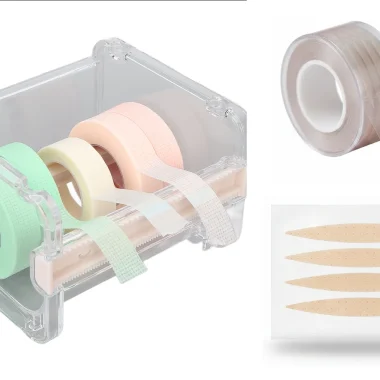
- A tape dispenser. The Multi-Tape Cutter holds several rolls of medical, foam or sensitive tape and gives a clean one-handed tear, so you never have to put down your tweezers. Our lash tape guide explains which tape to use for what.
- Lid tape. Skin-toned Eyelid Lifting Tapes help with isolation on hooded lids and in the inner corners.
-
NEW, TRENDYSelect optionsThis product has multiple variants. The options may be chosen on the product page
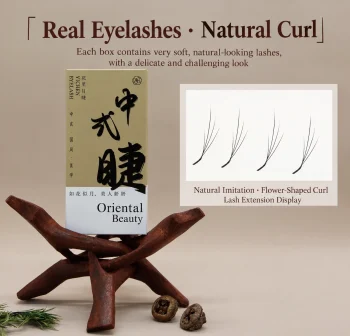
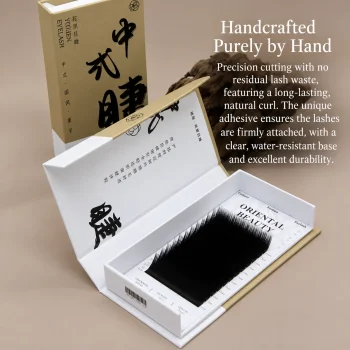 Feather Magic Fans LC Curl CHF 17.90 CHF 18.90Price range: CHF 17.90 through CHF 18.90
Premade lash fans with multiple lengths combined in one fan, in LC curl. Super soft, lightweight Korean PBT fibres that pick up and fan out in a single move – ideal for Arabian, wispy and textured lash sets. Choose single lengths 8-13mm or the mixed 8-13mm box. 12 lines per box. Built for rapid fanning: each ready-made fan drops straight in for a fast, dimensional Arabian effect set.
-
Multi-Tape Cutter CHF 11.90
A countertop tape dispenser that ends the struggle with tangled rolls and lost tape ends. It houses multiple rolls of medical, foam or sensitive tape and gives a clean, one-handed tear every time – a small upgrade that keeps a high-volume lash station fast and tidy.
9 in stock


FAQ about lash shampoo and cleaning lash extensions
Can I wash my lash extensions every day?
Yes, for most clients daily washing is fine once the adhesive has settled. Use a small amount of lash shampoo, gentle downward strokes, and pat dry without rubbing.
When can I wash lash extensions after the appointment?
It depends on the adhesive your artist used. Most artists ask you to keep lashes dry for a short period, based on the adhesive manufacturer’s instructions. Ask your artist and follow that advice.
Can I use normal face wash on lash extensions?
Many face cleansers are not made for the lash line, and some contain oils. Most artists recommend a dedicated lash shampoo so clients have a product meant for extensions.
Which brush is best for cleaning lash extensions?
A soft, fluffy cleansing brush is usually the easiest to use. Brush from the base to the tips with light pressure, then use a clean spoolie once the lashes are dry.
Why do my lash extensions look clumpy?
Clumping is often caused by oil, make-up residue or lashes that are not brushed after washing. Regular cleansing and brushing through when dry usually keep the set separated.