Lash tape is one of the smallest items on a lash trolley, yet it decides how cleanly an eyelash extension set goes. Artists use it to hold the lower lashes out of the way, to lift hooded lids so the lash line is visible, and to keep under-eye pads or patches in place. The right tape, cut cleanly and placed with care, makes isolation easier and keeps the client comfortable.
This guide covers the eyelash extension tape types artists use, how to tape safely, how a tape dispenser for lash work speeds up your station, and the mistakes to avoid.
What lash tape is used for in eyelash extension work
During a set, the lower lashes sit very close to the upper ones. Tape solves several practical problems at once.
- Securing the lower lashes: a strip of tape over the under-eye pad, or in place of it, keeps lower lashes from getting caught in the adhesive of the upper set.
- Lifting hooded lids: a small piece placed on the lid gently pulls the skin up so you can see the base of the natural lashes.
- Holding pads and patches: tape stops gel pads from sliding when the client relaxes or talks.
- Stabilising the lid: a strip helps with fluttering eyes, especially in the inner and outer corners.
Types of eyelash extension tape: micropore, transpore, foam and skin-toned
Three classic tape types are micropore, transpore and foam. Many artists keep all three within reach.
Micropore (paper) tape
Micropore is a soft, breathable paper tape. As a rule it is the everyday choice for lower lashes because it is gentle and easy to tear.
Transpore (clear plastic) tape
Transpore is a clear, perforated plastic tape that usually holds more firmly. Many artists use it on oily skin, where paper tape tends to lose grip, so place it with care on thin lid skin.
Foam tape
Foam tape is thicker and cushioned. Artists often use it under the eye to cover the lower lashes or support a pad. It is comfortable but too bulky for precise lid lifting.
Skin-toned eyelid lifting tape
Pre-cut, skin-coloured strips are designed specifically for lifting the lid. They blend in instead of standing out, which also helps when you film or photograph your work in progress.
| Tape or tool | Typical use | Tip |
|---|---|---|
| Micropore (paper) tape | Securing lower lashes, everyday use | A good default for sensitive skin |
| Transpore (plastic) tape | Firmer hold, oily skin, holding pads | Use short pieces on thin lid skin |
| Foam tape | Cushioning under the eye, supporting pads | Too bulky for fine lid lifting |
| Eyelid Lifting Tapes | Lifting hooded lids, corner access | Place on the lid, never on the lashes |
| Multi-Tape Cutter | Holding several rolls, one-handed tearing | Keep it in reach of your non-tweezer hand |
Lash tape dispenser: why a multi-roll cutter speeds up your station
Tearing tape by hand or with scissors mid-set breaks your rhythm: ends get lost, rolls tangle and edges come out jagged.
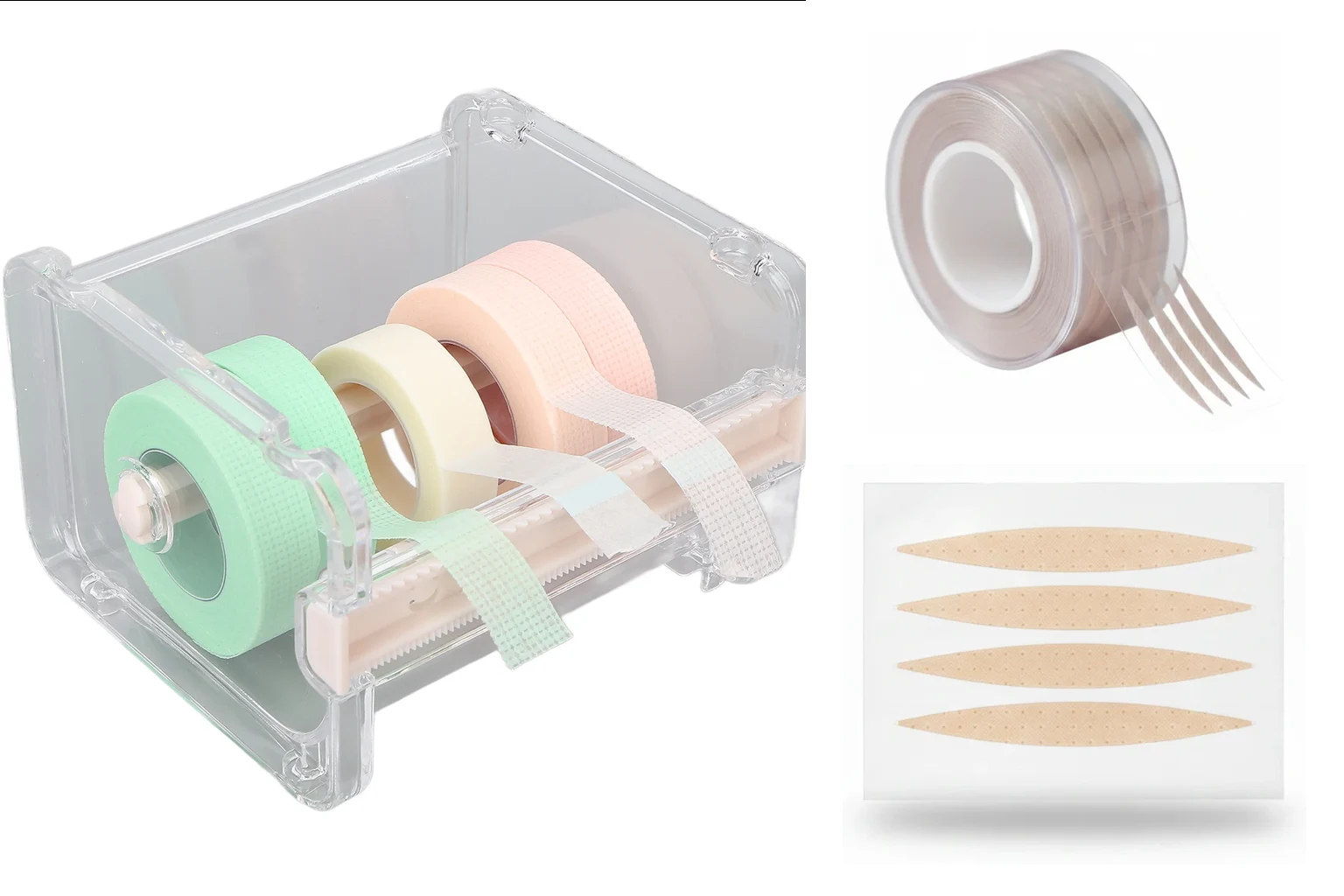
The Multi-Tape Cutter holds multiple rolls of medical, foam or sensitive tape in one place. Its stainless blade has fine teeth for a clean, snag-free cut, so edges are less likely to irritate the eye area. It is built to stay put on your trolley or lash tile, and it gives a one-handed tear, so you never have to put down your tweezers to prepare the next strip.
It also lifts the rolls off the work surface, which helps protect the adhesive side from dust and lint. It measures about 10.3 x 9.1 x 7.1 cm, comes in soft white and fits most standard lash and medical tape rolls.
-
Multi-Tape Cutter CHF 11.90
A countertop tape dispenser that ends the struggle with tangled rolls and lost tape ends. It houses multiple rolls of medical, foam or sensitive tape and gives a clean, one-handed tear every time – a small upgrade that keeps a high-volume lash station fast and tidy.
9 in stock


Eyelid lifting tapes for hooded eyes and better isolation
Hooded lids are one of the most common reasons a set takes longer than planned. When the lid covers the lash line, you cannot see the base of each natural lash, and placement suffers.
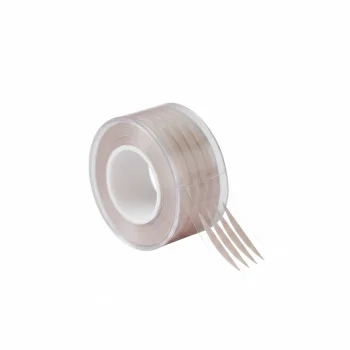
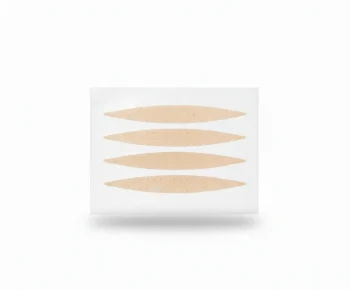
The Eyelid Lifting Tapes are seamless, skin-toned strips that let you lift and hold the lid for isolation. According to the product description, they use a medical-grade, hypoallergenic adhesive made for delicate eyelid skin, and a breathable, micro-porous material that limits moisture build-up during long appointments. The matte finish absorbs light, so you get less glare from a ring light.
Each roll holds 600 stickers measuring 25 x 2.8 mm. The slim profile is useful for three situations the description highlights: lifting hooded lids, pulling the lid slightly towards the temple for inner corner access, and stabilising the lid of a client who moves or talks.
-
Eyelid Lifting Tapes CHF 4.90
Seamless eyelid lifting tapes in a natural skin tone that blends into the lid rather than standing out. They let you lift and hold the lid for perfect isolation while keeping the whole set-up looking discreet and high-end – a modern kit essential for clean lash application.
9 in stock
How to tape lower lashes safely, step by step
Most taping problems come from tape that sits too close to the eye or that was pressed on too hard. This general routine keeps it comfortable.
- Prepare the strips first. Tear two or three pieces before the client lies down.
- Ask the client to close the eyes gently. Squeezed eyes push the lower lashes forward and make placement harder.
- Place the under-eye pad, then the tape. Sweep the lower lashes down with the tape, working from the inner to the outer corner.
- Keep a safe distance from the waterline. As a rule, the tape should never touch the waterline or the eye itself. Leave a small gap.
- Check for stray lashes before you start isolating.
- Ask how it feels. Any stinging, pulling or watering means the tape needs adjusting.
Some clients react to adhesives, so ask about sensitivities during the consultation and follow the patch-test advice included with your lash adhesive.
Taping hooded lids and moving clients
For a hooded lid, place a single slim strip on the skin of the lid, above the lash line, and lift it gently upwards or slightly towards the temple. Lift only as much as you need to see the base of the lashes. Over-lifting pulls the skin and can make the client’s eye open slightly.
Never place tape on the lashes you are working on: it can pull them during removal.
Removing lash tape gently
Tape removal is where many clients feel discomfort. Peel slowly, low and parallel to the skin, while supporting the skin with a finger. Work from the outer corner inwards for lower-lash tape.
If tape sticks more than expected, do not pull harder: hold the skin, go slower and check that no lashes are caught. Redness that does not fade is a reason to note a gentler tape on the client card.
Tape in lash lifts and tints
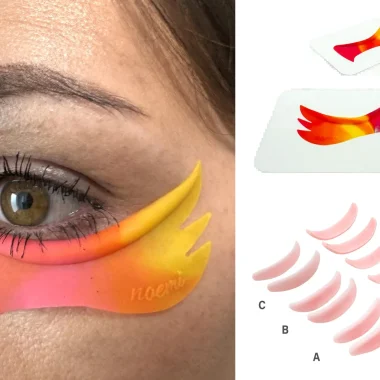
Tape is not only for extensions. During a lash lift or tint, some artists tape lower lashes away from the lotion, or hold a protective patch in place. Another option is a dedicated tool such as the Noemi Lower Lashes Patch, which protects the skin and shapes the lower lashes at the same time. Our guide to the lower lash lift explains that workflow.
If you are building a complete lifting kit, the lash lift kit checklist lists the accessories worth having, and the Noemi Freelift instructions show a glue-free lift step by step.
Station organisation and hygiene
A tidy station is faster and cleaner. Keep the dispenser on the side of your free hand and only what you need for the set on the trolley.
- Single use: every piece of tape is used on one client only and thrown away.
- Clean hands, clean rolls: touch the roll as little as possible, and keep rolls off the work surface.
- Wipe the dispenser: clean the outside of the cutter regularly, like the rest of the trolley.
A well-prepared station also includes your lash product. Premade fans such as the Feather Magic Fans LC Curl can be picked up and placed directly, which fits a fast, organised workflow. At the end of the appointment, aftercare matters as much as the set: see our lash shampoo and aftercare guide for how to explain cleansing to clients.
Common lash tape mistakes to avoid
- Tape too close to the waterline: it can irritate the eye and make the client tear up, which affects adhesive and retention.
- Pressing too hard: firm pressure makes removal uncomfortable. Smooth the tape down lightly.
- Jagged edges: scissor-cut or torn edges can scratch. A fine-toothed blade gives a cleaner line.
- Taping over lashes: lashes caught under tape can be pulled out during removal.
-
Eyelid Lifting Tapes CHF 4.90
Seamless eyelid lifting tapes in a natural skin tone that blends into the lid rather than standing out. They let you lift and hold the lid for perfect isolation while keeping the whole set-up looking discreet and high-end – a modern kit essential for clean lash application.
9 in stock
-
NEW, TRENDYSelect optionsThis product has multiple variants. The options may be chosen on the product page
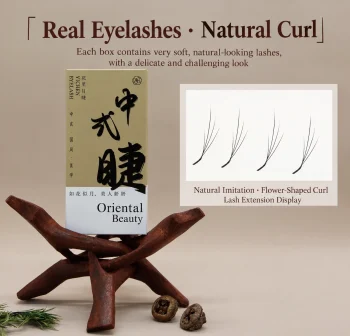
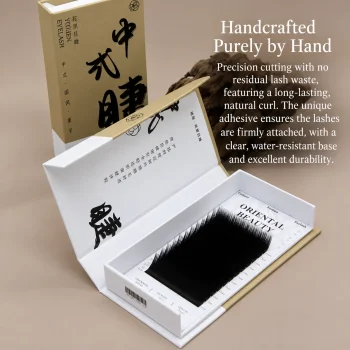 Feather Magic Fans LC Curl CHF 17.90 CHF 18.90Price range: CHF 17.90 through CHF 18.90
Premade lash fans with multiple lengths combined in one fan, in LC curl. Super soft, lightweight Korean PBT fibres that pick up and fan out in a single move – ideal for Arabian, wispy and textured lash sets. Choose single lengths 8-13mm or the mixed 8-13mm box. 12 lines per box. Built for rapid fanning: each ready-made fan drops straight in for a fast, dimensional Arabian effect set.
-
Multi-Tape Cutter CHF 11.90
A countertop tape dispenser that ends the struggle with tangled rolls and lost tape ends. It houses multiple rolls of medical, foam or sensitive tape and gives a clean, one-handed tear every time – a small upgrade that keeps a high-volume lash station fast and tidy.
9 in stock
FAQ about lash tape
What tape is best for eyelash extensions?
Many artists use micropore paper tape as their everyday tape because it is gentle and breathable, transpore when they need a firmer hold, and foam tape for cushioning under the eye. For lifting the lid, a slim skin-toned eyelid tape is the most discreet option.
How do you tape hooded eyes for lash extensions?
Place one slim strip on the lid above the lash line and lift gently upwards or slightly towards the temple, just enough to see the base of the lashes. Never tape the lashes themselves.
Can lash tape cause irritation?
It can, especially if it touches the waterline, is pressed on too hard or is pulled off quickly. Ask about sensitivities, choose a gentle tape and remove it slowly while supporting the skin.
Why use a tape dispenser for lash work?
It keeps several rolls organised, gives a clean one-handed tear and keeps rolls off the work surface, so you never put down your tweezers.